Skeleton Machine Embroidery Design Review
As an embroidery designer who spends countless hours digitizing and stitching for both personal projects and commercial clients, I know that the difference between a good design and a great one often lies in the details. When I first encountered the Skeleton Machine Embroidery Design on Creative Fabrica, I was immediately drawn to its potential for the upcoming spooky season. My initial impression was that this wasn't just another generic holiday graphic; it possessed a distinct personality that could elevate a wide range of handmade products. The visual mood strikes a perfect balance between playful and intricate, making it suitable for everything from children's apparel to boutique home decor.
First Impressions and Stitching Personality
Upon downloading the digital embroidery file, the first thing I noticed was the clarity of the stitch paths. In my line of work, a messy digitization job can ruin hours of machine time and waste expensive thread. This design, however, shows a thoughtful approach to stitch direction and density. The skeleton figure is rendered with a mix of techniques that likely include fill stitch for the bone structures and potentially running stitch or satin accents for definition, though the exact breakdown depends on the specific version you download. The level of detail suggests a high-quality source file, which is crucial when you are aiming for a professional finished product.
The decorative appeal of this design is versatile. While it is categorized under Halloween, the whimsical nature of the skeleton allows it to transcend strict seasonal boundaries if styled correctly. It feels like a design that wants to be seen, meaning it works best on items with enough surface area to let the intricacies shine without crowding.
Real-World Application for Commercial Projects
For those of us running small businesses or Etsy shops, the true test of any Creative Fabrica embroidery asset is how it performs on actual customer orders. I evaluated this design with several real-case scenarios in mind:
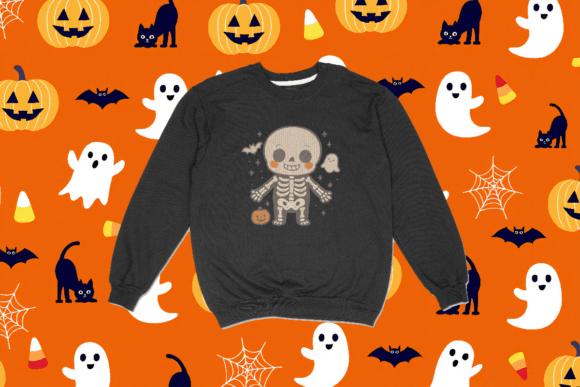
- Custom Apparel: Imagine this stitched onto the back of a denim jacket or the chest of a black sweatshirt. The contrast of white or off-white thread against dark fabric would make the skeleton pop, creating a statement piece for custom apparel lines.
- Tote Bags and Pillows: The design's structure holds up well on heavier fabrics like canvas or twill. A tote bag design featuring this skeleton would be a hit at autumn craft fairs, while a pillow cover could serve as durable nursery decor or seasonal living room accent.
- Handmade Gifts: For personalized gifts, this design offers a unique alternative to standard text-only monograms. It adds character to kitchen towels or aprons, turning a utility item into a conversation starter.
- Embroidered Patches: If your machine supports patch creation, the defined edges of this skeleton make it an excellent candidate for iron-on or sew-on patches, adding another revenue stream to your boutique merchandise.
Navigating Technical Challenges
While the design is promising, practical execution requires careful planning. One of the primary considerations is stitch density. Detailed areas, such as the ribcage or skull features, can become dense. If you are stitching on stretchy fabrics like jersey knits for t-shirts, using the correct stabilizer is non-negotiable. I always recommend testing on scrap fabric first to ensure the material doesn't pucker under the weight of the stitches.
Another factor is the hoop size. Depending on the scale of the design you choose from the package, you may need a larger hoop to accommodate the full skeleton without breaking the design into multiple sections, which can disrupt the flow. For curved surfaces like caps, extra caution is needed. The flat nature of a skeleton design might require specific framing techniques to avoid distortion on the front panel of a hat.
Color selection also plays a pivotal role. While traditional white bones are classic, experimenting with thread colors like glow-in-the-dark variants or pastel shades could create a unique twist for specific target audiences. However, always check the contrast against your base fabric; light threads on dark fabrics may require a topping to prevent the fabric texture from showing through the fill areas.
Enhancing Product Value and Brand Trust
In the competitive world of handmade goods, presentation is everything. Using a high-quality design like the Skeleton Machine Embroidery Design directly impacts buyer trust. Customers can often tell the difference between a crisp, well-digitized image and a pixelated, poorly stitched one. A clean execution signals professionalism and attention to detail, which justifies higher price points for your handmade product listings.
Furthermore, this design aids in brand consistency. If your shop specializes in quirky, fun, or slightly edgy aesthetics, this skeleton fits seamlessly into that narrative. It enhances product photography, as the clear lines and recognizable shape make for compelling images on social media and marketplaces. When customers see a cohesive collection featuring such distinct design assets, they are more likely to engage with your brand and return for future purchases.
Final Verdict and Practical Tips
After reviewing the potential applications and technical requirements, I believe this design is a solid addition to any embroiderer's library, particularly for those looking to expand their seasonal offerings. It offers enough complexity to look impressive but remains manageable for standard home embroidery machines if proper precautions are taken.
Before committing to a large production run or listing items for sale, keep these practical notes in mind:
- Verify File Details: Always check the product page on Creative Fabrica for specific file formats (like PES, DST, XXX) to ensure compatibility with your machine model.
- Review Licensing: Confirm the license terms regarding commercial use. Most designs on Creative Fabrica allow for selling finished physical items, but it is vital to read the specific agreement to avoid infringement issues.
- Test Runs: Stitch a sample on the exact fabric you intend to sell. Check for pull compensation and ensure small details like finger bones or teeth do not merge together due to high density.
- Mockups: Create printable mockups to visualize how the design looks on different garment colors before purchasing inventory.
In conclusion, the Skeleton Machine Embroidery Design is a versatile tool for creative entrepreneurs. Whether you are decorating sweatshirt embroidery projects, crafting unique party favors, or building a catalog of commercial embroidery products, this file provides a strong foundation. By respecting the technical nuances of stitch density and fabric choice, you can transform this digital file into a tangible asset that drives sales and delights customers.