Golden Heart Embroidery: A Craft Fair Review
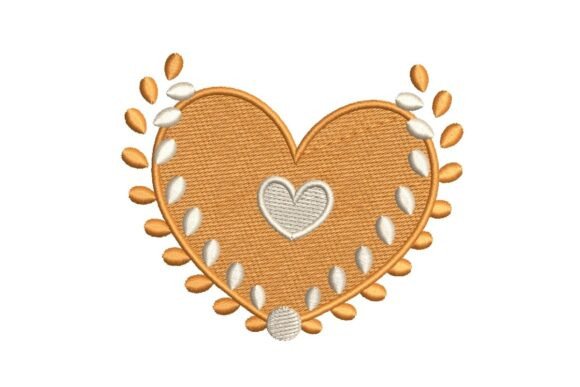
As an embroidery designer preparing for a busy weekend at the local artisan market, my table needs to tell a story instantly. Customers walk by quickly, scanning for something that catches their eye before they stop to touch the fabric. This week, I am evaluating the Golden Heart with Leaf and Inner Heart Embroidery Design to see if it earns a prime spot on my display rack. When I first loaded this digital embroidery file into my software, the immediate impression was one of warm, rustic elegance. It is not overly cute or childish; instead, it feels sophisticated enough for a boutique home decor item yet approachable for a casual gift.
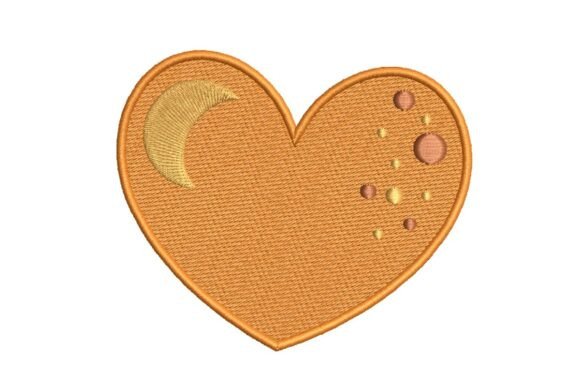
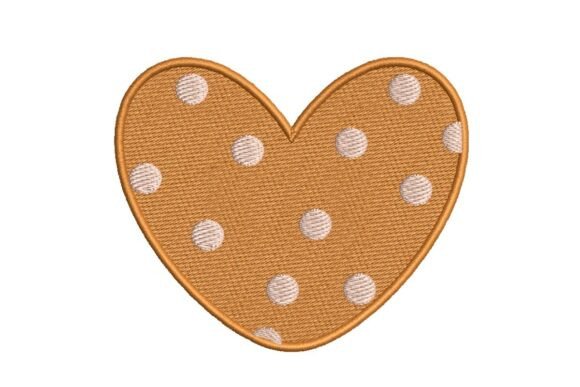
The color palette described—a textured golden-orange paired with distinct white accents—suggests a design that will pop against neutral backgrounds. For a Valentine's Day collection, this is a refreshing departure from the standard bright reds and pinks. It leans more toward a "harvest love" or "year-round warmth" aesthetic, which actually broadens its selling window beyond just February. In person, I anticipate the golden threads catching the booth lighting, creating a subtle shimmer that draws attention from across the aisle.
Visual Impact on Market Products
The true test of any machine embroidery design is how it translates onto physical goods. For my craft fair booth, I am considering several applications. The Golden Heart with Leaf and Inner Heart Embroidery Design shines brightest on items with ample flat surface area. A canvas tote bag design featuring this motif in the center would look premium. The leafy accents add an organic flow that softens the geometric nature of the heart, making it perfect for shoppers looking for eco-friendly, handmade carry-alls.
I also see strong potential for apron embroidery. The golden-orange hue complements linen and cotton blends beautifully, appealing to customers who enjoy cooking or gardening. Placing the design on the bib of an apron creates a focal point that feels personal and high-quality. Similarly, for tea towel embroidery, this design offers a charming touch. However, one must be cautious with towel loops; the texture can sometimes swallow fine details. If the stitch count is moderate, it will hold up well on waffle weave or flour sack towels, turning a simple kitchen utility into a giftable handmade product.
For smaller items like embroidered patches or fabric pouches, the nested inner heart provides a lovely detail that rewards close inspection. When a customer picks up a small zippered pouch to feel the zipper quality, seeing the intricate inner heart encourages them to appreciate the craftsmanship. This attention to detail is what justifies a higher price point for a small shop product. While it could work on caps, the curved surface requires careful hooping to prevent distortion of the leafy outlines.
Production Practicality for Sellers
Running a successful booth means balancing aesthetics with efficiency. Can I batch produce these items without constant thread breaks or trimming nightmares? The description mentions "textured" stitching, which often implies satin columns or fill patterns with varying angles. This is generally good for durability, but it requires checking the stitch density. If the golden-orange areas are too dense, they might cause puckering on lighter fabrics like tote bags unless a high-quality cut-away stabilizer is used.
Photography is another critical factor for the modern Etsy seller who also sells in person. This design photographs exceptionally well because of the contrast between the gold and white. When creating a printable mockup for online listings, the clear definition of the leaves ensures the image remains sharp even when zoomed out on a mobile screen. For booth displays, having a few finished samples on different fabric colors—perhaps a navy blue tote and a cream-colored pillow cover—will demonstrate the versatility of the design assets.
The question of scale is vital. Does this design work as a small accent, or does it need to be large to be effective? Given the nested elements, I recommend using it as a medium-to-large focal design. Shrinking it too much might cause the inner heart and leaf tips to merge, losing the clarity that makes it special. For commercial embroidery runs, ensuring the file format matches your machine's requirements is essential before committing to a large production run.
Critical Considerations for Execution
Before stitching the final inventory, there are specific technical hurdles to address. First, thread colors must be matched carefully. The "golden-orange" needs to be vibrant but not neon; a muted gold or burnt orange thread will maintain that premium, handmade feel. On dark fabrics, the white accents will stand out brilliantly, but you may need to adjust the underlay settings in your software to ensure the gold doesn't look dull against black or charcoal gray.
Fabric texture plays a massive role here. While smooth cotton is ideal, many customers love the look of embroidery on textured linens or heavy canvas. Test the Golden Heart with Leaf and Inner Heart Embroidery Design on scrap pieces of your actual inventory fabric. Thick fabrics might require a topping stabilizer to prevent the stitches from sinking in, which would obscure the delicate leaf veins. Additionally, if you plan to offer this on curved surfaces like caps, verify that the design does not have wide horizontal spans that could bridge poorly over the curve.
It is also crucial to review the licensing terms associated with the digital embroidery file. As a creative entrepreneur, you must confirm that the license allows for commercial embroidery and the sale of finished physical goods. Never assume a file purchased for personal use can be sold at a craft fair. Clear licensing protects your business reputation and ensures you are supporting the original designer fairly.
Final Verdict for the Booth
In conclusion, the Golden Heart with Leaf and Inner Heart Embroidery Design is a strong contender for a spring or Valentine's themed collection that transcends typical holiday clichés. Its strength lies in its visual warmth and the sophisticated interplay between the main heart and the leafy accents. For the craft fair product lineup, it adds value to tote bags, aprons, and home decor items, elevating them from simple utilities to cherished keepsakes.
To maximize success, focus on high-contrast fabric pairings and ensure your stabilizer strategy accounts for the textured fills. Create at least one pristine real-world mockup to serve as the centerpiece of your table display. When customers see the quality of the stitch work and the thoughtful composition of the leaves and inner heart, they are more likely to engage, ask questions, and ultimately make a purchase. This design has the potential to be a signature piece for your brand, representing both technical skill and artistic taste.