Blue White Hibiscus Embroidery Design Review
As an embroidery designer who has spent years digitizing and testing files for small business clients, I approach every new digital embroidery file with a critical eye. It is not just about whether the design looks pretty on a screen; it is about how it performs under the needle, how it wears after fifty washes, and how it elevates a brand's identity. Today, I am reviewing the Blue White Hibiscus Embroidery Design, a piece from the Single Flowers category that promises a timeless floral touch. For boutique owners, café managers, and handmade brands looking to upgrade their small business merch, this review breaks down the practical application of this elegant flower pattern.
First Impressions: Visual Personality and Brand Fit
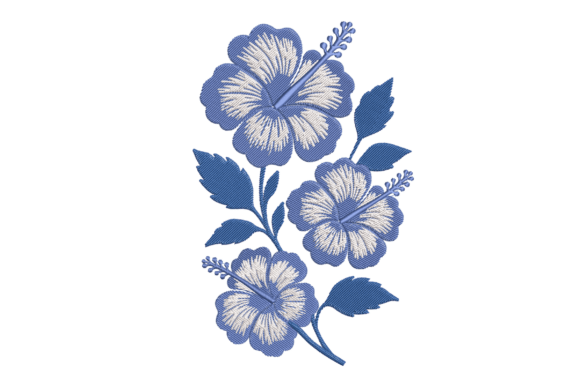
Upon loading the preview of the Blue White Hibiscus Embroidery Design, the immediate impression is one of classic elegance mixed with a fresh, coastal vibe. The color palette suggests a clean, professional aesthetic that avoids being overly rustic or too playful. This balance makes it incredibly versatile for commercial use. For a florist or a beachside bakery, this design feels native to the brand identity. However, its clean lines also allow it to work for creative studios or pet brands that want to project a sense of care and natural beauty without appearing cluttered.
The "timeless" descriptor in the product description holds true. Unlike trendy graphics that fade in a season, a hibiscus motif carries a perennial appeal. When considering this for custom apparel or branded patches, the blue and white scheme offers high contrast, which is crucial for visibility on various fabric textures. It feels premium rather than cheap, a vital distinction when you are putting your logo or product mark on items you intend to sell or give as high-value customer gifts.
Real-World Application for Small Business Merchandise
The true test of any machine embroidery design is its adaptability across different products. Here is how the Blue White Hibiscus Embroidery Design performs in specific business scenarios:
- Embroidered Patches: This is perhaps the strongest use case. The distinct outlines of the hibiscus petals translate well into a patch format. A local coffee shop could use these as collectible items or loyalty rewards, sewing them onto canvas bags or denim jackets.
- Staff Uniforms and Aprons: For a boutique or a high-end salon, apron embroidery serves as a subtle marker of professionalism. Placing this design on the chest pocket or the lower corner of an apron adds a bespoke touch that mass-produced uniforms lack.
- Cap Embroidery: The curvature of a cap requires a design with stable density. The floral nature of this file suggests it could work beautifully on the side panel of a dad hat or the front of a visor, provided the digitizing accounts for the curve.
- Tote Bag Design: Canvas tote bags are a staple for Etsy sellers and market vendors. This design acts as a perfect central motif or a corner accent, turning a plain bag into a branded handmade product that customers actually want to carry.
- Product Packaging Accents: Beyond clothing, consider sewing this onto fabric tags attached to packaging or using it to embellish limited-edition gift wraps for high-ticket items.
Technical Considerations and Production Challenges
While the aesthetic is strong, a professional designer must address the technical realities of production. The Blue White Hibiscus Embroidery Design requires careful attention to stitch density and thread colors. Blue and white are classic, but on dark uniforms, you must ensure the white threads have sufficient coverage to prevent the fabric from showing through, which can ruin the finished look.
There are specific areas where caution is advised:
- Small Patch Sizes: If scaling this down for a tiny label or a small chest logo, verify that the fine details of the flower petals do not merge. High detail can become a muddy mess if the design is reduced beyond its intended limits.
- Curved Surfaces: When applying this to caps or rounded sleeves, the distortion of the fabric can stretch the design. Always run a test on a scrap piece of the actual material you plan to use.
- Fabric Texture: This design likely shines on smooth twills or cotton blends. On highly textured fabrics like heavy wool or looped towels, the crispness of the hibiscus edges might get lost.
- Frequent Washing: For staff uniforms that undergo industrial laundering, check the satin stitch width. Narrow stitches may fray faster than wider columns.
It is important to note that the product description mentions it is designed for machine embroidery but does not specify exact stitch counts, file formats, or hoop sizes. Before committing to a large production run of commercial embroidery projects, you must download the sample or check the listing details to confirm compatibility with your specific machine and hoop size limitations.
Elevating Brand Identity and Customer Trust
In the world of small business, perception is reality. Using a high-quality embroidery file like the Blue White Hibiscus Embroidery Design signals to your customers that you value quality. A sloppy or pixelated logo on a tote bag suggests a sloppy business; a crisp, well-stitched flower suggests attention to detail and care.
This design aids in visual consistency. If your brand uses blue and white in its web design or packaging, having that same palette physically embroidered on your merchandise creates a cohesive brand experience. It builds recognition. When a customer sees that specific hibiscus on your finished product, they immediately associate it with your shop's standard of excellence. Furthermore, offering branded merchandise with such designs can increase buyer engagement, turning one-time purchasers into loyal brand ambassadors who wear your gear in public.
Professional Designer Notes for Implementation
To ensure the best results with the Blue White Hibiscus Embroidery Design, I recommend the following workflow before selling or distributing your items:
- Test in Black and White First: Convert your preview to grayscale to check the contrast and definition of the shapes without relying on color differentiation.
- Check Small Scale Legibility: Stitch a sample at the smallest size you intend to use to ensure no details are lost.
- Review Thread Contrast: Ensure your specific shade of blue thread pops against your chosen fabric background.
- Inspect Spacing: Look for potential thread breaks where dense stitching meets open spaces.
- Use Proper Stabilizer: Floral designs often benefit from a cut-away stabilizer to maintain shape over time, especially on stretchy fabrics.
- Create a Printable Mockup: Before stitching, create a printable mockup to show clients or partners for approval, ensuring the placement aligns with their vision.
- Compare Design Assets: Place this file beside your existing logos to ensure it complements rather than clashes with your current design assets.
- Confirm Licensing: Always verify the commercial licensing terms included with the file to ensure you are cleared for resale or broad commercial use.
In conclusion, the Blue White Hibiscus Embroidery Design is a robust candidate for small business branding. Its blend of elegance and versatility makes it suitable for everything from cap embroidery to high-end boutique tags. By respecting the technical constraints and testing thoroughly, you can leverage this single flower design to create merchandise that truly represents the quality of your brand.